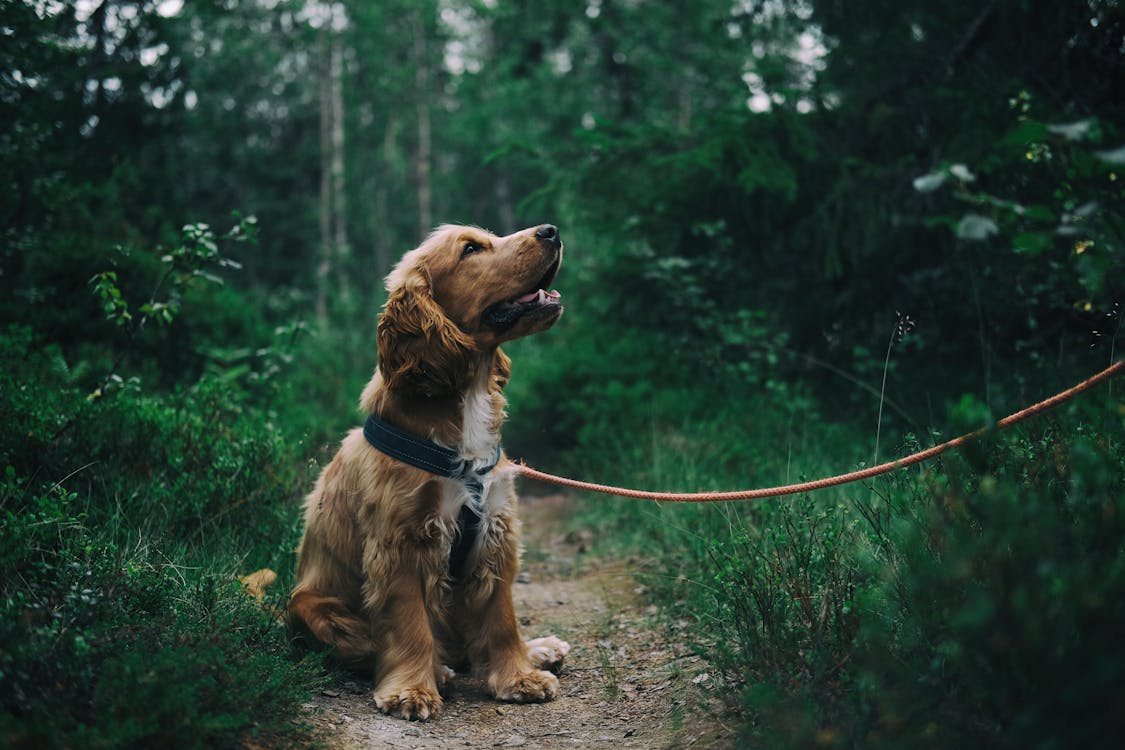
Explore trails that can’t easily be reached in a car on horseback. Be prepared for sights, sounds, and smells you won’t encounter anywhere else: babbling brooks, bird song, breathtaking scenery around every bend…
Before embarking on any long trail rides, ensure your horse is fit enough. Acquaint them with camping sites and proper trail etiquette.
Campsites
Horse camping comes with various options, from pitching a tent in an open field to renting an RV site complete with sewer and electric hookups. Private horse camps or state park campgrounds with corrals and pens may be more suitable than backpacking into wilderness areas without infrastructure or amenities – depending on what suits your riding style best.
Spring and fall horse-camps tend to be less crowded than their summer counterparts, making reservations essential at popular national parks and private camps. To maximize convenience and take advantage of reduced usage fees, try booking your campsite between Monday and Thursday in order to avoid crowds and reserve your site more affordably.
Make sure each horse has enough water for two days’ worth of use and bring water troughs or buckets, since campsites may not provide them. Also research any plants or animals that could pose risks to their wellbeing before visiting any new area, to find the safest spot to tie your horses. Don’t forget bringing plenty of hay and bedding as well!
If this is your first horse camping adventure, joining a group or attending an equestrian camp may help to introduce the basics of horseback camping and introduce you to like-minded individuals as you gain an idea of what lies ahead before embarking alone on such an endeavor.
No matter your experience level, horseback riding provides ample opportunity for discovery. Some of the country’s most stunning landscapes can be found right outside your door and just a little time on the trail can open up an entirely new world of opportunity!
Horse camping can be an unforgettable and exhilarating way to spend time outdoors with your horse. With a little preparation and dedication, horse camping can create a rewarding experience and foster deeper connections between riders and horses alike. Beyond traversing trails together, camping offers more benefits: sleeping together under canvas will strengthen bonds further between all participants as they share space together while sleeping, eating, drinking and waking up together – creating lasting bonds in an unfamiliar setting!
Trails
Horseback riding is an enjoyable way to appreciate nature’s splendor. From your equine partner’s back, you can witness, hear and smell things you may otherwise miss from driving a motor vehicle. Enjoy scenic trail rides or venture off-the-beaten-path excursions – your journey with them will become something to cherish!
The park provides designated bridle trails open for horseback riding year-round, weather permitting. These same trails may also be utilized during snowmobiling and cross-country skiing seasons; all users (horses, skiers and bicyclists alike) are asked to observe trail etiquette.
In 2016, Gun Lake Equestrian Campground opened to provide 24 sites with electricity, generator hookups and vault toilets. Secluded yet easily accessible to the backcountry via trails that wind through bogs and marshes along lakes and streams, the park also offers horse watering spigots in Lots B and J for trailer parking and an on-site horse washing station for convenience.
Rent a horse at nearby Cindy’s Riding Stable or take lessons and book guided trail rides at McMillan Woods Trail; lessons can also be booked and guided trail rides booked on this 8.8-mile trail that features incredible Upper Peninsula cliffs, waterfalls and shoreline vistas. Camping at DEC campgrounds requires having proper camping gear such as tent, sleeping bag and pad with food storage as well as horse tack and hay storage space; backpacking requires additional items like hammock sleeping bag bivy sack. Additionally campers should become familiar with wilderness rules as well as Leave No Trace principles before camping outdoors if planning any wild camping experience or even considering camping at DEC campgrounds is planning an experience that you won’t soon forget.
Explore the forest by foot or bicycle! Trails are open to hiking and bicycling during dry conditions; however, horseback riders should stay off designated bridle trails during muddy or soft-ground conditions for safety purposes and yield to pedestrians and slower traffic on slower traffic paths. Be ready for unexpected obstacles like rocks, roots and tree branches on these routes as well as recreational activities taking place concurrently – please call the park if any questions or concerns arise!
Weather
An ideal horse camping trip requires more than a comfortable tent, an adequate campsite, and all of the appropriate equipment for both you and your horse. Weather patterns also play an integral part of ensuring its success; even experienced campers must consider weather patterns when planning trips; those intending to go horseback riding camping should inspect local trails to understand any likely conditions they will face during their ride.
Before embarking on your camping adventure, create a list of everything both horses and humans will require, including things such as hay, feed (be sure to inquire with the campground host regarding what the local requirements for feeding your horse will be), water buckets, buckets tack halter leads fly spray fly spray medications brushes supplies etc. Once complete double check that everything on this list has been included!
As part of your preparations for horseback camping trips, it’s essential that you be mindful of horses being sensitive to change. This is particularly relevant if they’re used to living in a corral, paddock, or stall instead of their home pasture – this may cause them to be nervous on trails and campsites alike as well as creating issues during sleepovers which make your camping experience less than ideal.
Experienced or novice outdoor enthusiast alike can appreciate a camping and horseback riding adventure – regardless of experience level – as an enriching adventure that can enrich their life in ways they may have not expected. Riding comfortably atop your horse allows you to see, hear, smell things not visible from a motor vehicle like the sound of babbling streams, the song of birds or pine needles, moss or wildflower aromas; proper preparation ensures it will all come together smoothly!
Preparation
Before taking your horse camping for the first time, it’s essential that they become familiar with its new environment. A great way to do this is to first “camp out” with it at home in an open corral or pen; this will allow you to assess how it reacts and determine if they feel at ease with spending the night away from their familiar home environment.
Create a checklist for horse camping so you can bring everything necessary for their wellbeing during their time at camp – this should include feed, water, buckets, blankets (both summer and winter), hay bales halters lead ropes hammers nails fly spray medications first aid kits etc.
Before heading out on a camping trip with your horse, it is wise to consult experienced horse-campers and seek their advice. They’ll know exactly what supplies and equipment should be brought along and can offer tips about where the safest campsites for both humans and horses can be found.
Once you know where you want to travel, contact the campground or park office and inquire if horses are permitted on trails and campsites. Alternatively, write, call, or e-mail the national forest service for advice as to where horses may camp – maps and advice provided will vary depending upon where your destination lies; some campsites do not provide corrals therefore portable corrals or high lines may need to be brought with in order to contain your horses effectively.
Be sure to provide your horses with enough potable water, as well as a means to purify any that may not be. Depending on where you camp, this may mean hauling your own or using local lakes and rivers for source of supplies.
Horses respond well to trail riding and camping adventures when given ample exposure, becoming adept at adapting to unfamiliar terrain more quickly than their counterparts in familiar settings. When taking them camping trips it’s essential that a well-trained, calm horse is taken along, since their journey will likely bring them through unfamiliar territory where new things could easily startle or upset them.https://www.youtube.com/embed/aREBQYbltp0